Weight loss has always attracted shortcuts. There have been powders, shakes, cleanses, pills, elimination diets, point systems and countless programs promising that this time will be different. Some approaches help certain people. Others disappear almost as quickly as they become popular.
What has changed significantly in recent years is that medical weight management now has tools that can directly affect appetite and make sustained weight reduction more achievable for appropriate patients. That is meaningful progress. It is not magic.
For clients considering medical weight loss in East Memphis, TN, understanding that
distinction can make the difference between seeing treatment as another temporary diet and approaching it as part of a longer-term health strategy. 901 Aesthetics offers medically supervised weight-management services from its Germantown location, including GLP-1-based options within a broader wellness program. Losing Weight and Managing Weight Are Two Different Skills A person can be very good at losing weight.
That sounds strange, but think about it. Some people have lost the same 20, 30 or 50 pounds several times. They know exactly how to diet. They know how to cut carbohydrates. They know how to count calories. They know how to clean out the pantry and start again on Monday. The part that has always been difficult is maintaining the change after the initial motivation fades.
The Maintenance Question Should Start on Day One
This is why a medical weight-management program should eventually address a question that traditional diets often ignore: What will your life look like when you are no longer actively trying to lose weight? Will your eating habits be sustainable? Will physical activity have become part of your routine? What strategies will you use when hunger, travel, holidays, stress and busy schedules return? Long-term thinking should not begin after the weight comes off. It should influence how you lose it in the first place.
Why GLP-1 Medications Changed Weight Management
One reason GLP-1 medications have attracted so much attention is that appetite is a major obstacle for many people trying to lose weight. Willpower is not an infinite resource. A person can know exactly what she wants to eat and still feel intensely hungry. Appropriate medications may help some patients better manage appetite and food intake. But that is still only part of the process.
A Prescription Is Not a Complete Weight-Loss Program This is where medical supervision matters. The conversation should include health history, goals, risks, side effects, progress and whether treatment remains appropriate over time. Nutrition still matters. Protein intake and overall nutrient quality still matter. Movement still matters. Sleep and stress can matter. The medication is a tool that can make some of those changes easier to sustain. It should not eliminate the rest of the conversation.
Why Personalized Treatment Matters
Imagine two patients beginning a weight-management program. One is 34 and wants to lose a relatively modest amount of weight after several years of gradually gaining. The other is 56, has repeatedly lost and regained significant weight, takes several medications and has a different health history. Giving both of them exactly the same plan would make little sense. Medical care should account for those differences.
Your Goal Doesn’t Have to Match Someone Else’s The rise of dramatic online before-and-after photos has distorted expectations. Someone may see a friend lose a large amount of weight and immediately decide that should be her target too.But healthy and appropriate goals are individual.
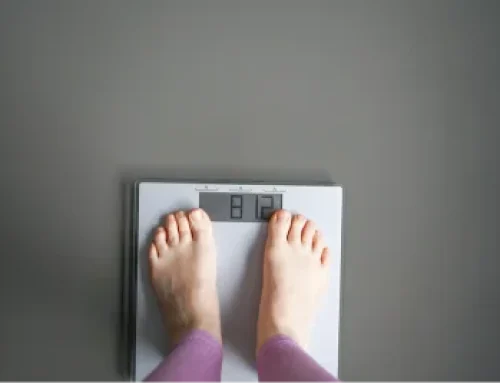
The number another person reaches says nothing about what is appropriate for you. The Scale Can Be Useful Without Becoming the Entire Story A scale provides objective information. That is valuable. But body weight is only one measurement. Someone may begin exercising and become stronger even when the scale is moving more slowly. Clothing may fit differently. Waist circumference may change. Energy may improve. Eating patterns may become more stable.
Progress Should Be Bigger Than a Weekly Weigh-In
If the entire emotional experience of weight loss is based on whether the scale moved enough this week, normal fluctuations can become incredibly discouraging. Progress is easier to sustain when you are paying attention to several wins. Maybe you have stopped eating out of habit every evening. Maybe you can walk farther without becoming tired. Maybe you are consistently choosing meals that keep you satisfied.
Those changes are part of weight management too. Muscle Matters During Weight Loss This is an increasingly important conversation. When people lose weight, the goal is generally not to lose as much muscle as possible along with body fat. Muscle supports strength, mobility and overall function.
That is one reason adequate nutrition and resistance exercise can be important parts of a weight-management plan when medically appropriate. Don’t Wait Until Goal Weight to Think About Strength If strength training is appropriate for you, building it into the process earlier can make more sense than treating exercise as something you will begin after losing weight.A program should help you develop a body you can live in, not simply reach a smaller number. 901 Aesthetics also offers EMShape Neo Plus as a body-treatment option for candidates who are near their desired weight and interested in muscle tone and stubborn areas. The practice specifically frames that type of treatment as something for appropriate candidates rather than a replacement for significant weight reduction.
What Happens When Your Body Starts Changing?
Weight loss can be exciting. It can also create changes you did not expect. Clothing fits differently. Your face may change. Areas of loose skin may become more noticeable. Body proportions can shift. Someone who spent years thinking, “I just want to lose the weight,” may suddenly have a new set of questions.
Aesthetics and Weight Management Can Overlap Without Being the Same Thing This is one advantage of 901 Aesthetics offering both medical weight management and aesthetic services. If facial volume, skin laxity or body contours become concerns after weight loss, those issues can be discussed. That does not mean an aesthetic procedure is automatically necessary. It means there are options if a client wants to explore them.
A person may reach her goal and decide she is completely satisfied. Another may be interested in skin rejuvenation. A third may want to discuss facial volume. The journey should remain personal. Avoid the “All or Nothing” Trap This mindset ruins many otherwise good health plans. You eat well Monday through Thursday.
Friday night, dinner does not go as planned.
Then comes the thought: “I already messed up.” Saturday becomes a free-for-all. Sunday becomes the “last day” before starting over. Monday begins another cycle. Long-term weight management works better when one meal is allowed to be one meal. Consistency Beats Perfection You do not need a perfect month.
You need enough good decisions repeated over enough time. That principle is useful regardless of whether medication is part of the plan. East Memphis Has Plenty of Healthy Options — and Plenty of Temptation Life around East Memphis is not lived inside a diet laboratory. There are restaurants along Poplar Avenue. Lunch meetings. Family dinners. Birthday parties.
Weekend plans. Memphis barbecue exists. That is real life. A sustainable program has to function in that environment. You should be able to enjoy dinner with your family without believing you have failed your treatment plan. The goal is not to create a lifestyle that only works when nothing interesting is happening. Medical Treatment Should Include Honest Expectations Anyone considering medical weight loss deserves to understand what treatment can and cannot promise. Results vary. Medication may not be appropriate for every person. Side effects are possible.
Treatment should be medically supervised.
And the fastest possible result is not automatically the safest or most sustainable one. Be Skeptical of Guarantees Statements such as “you will lose exactly this much weight” should make you cautious. No clinic can know exactly how an individual body will respond before treatment begins. What providers can do is evaluate, recommend, monitor and adjust.That is a more realistic model of medical care.
What Should You Ask During a Weight-Loss Consultation?
A consultation is your opportunity to understand the entire program. What Are My Options? Ask why a particular treatment is being recommended. Am I a Good Candidate? Popularity is irrelevant if the treatment is not appropriate for your health history.
What Side Effects Should I Know About?
You deserve a straightforward answer. What Will We Monitor? Ask how progress is evaluated and how frequently follow-up occurs. How Should I Think About Nutrition? If appetite decreases significantly, food quality can become especially important. What Happens Later? Ask about maintenance before you ever reach your goal. Hormones and Weight Should Not Be Automatically Blamed on Each Other Because 901 Aesthetics also offers bio-identical hormone replacement therapy, some clients may have questions about whether hormones are contributing to changes in weight or body composition.
Hormones can influence metabolism and body composition. But unexplained weight gain should not automatically be diagnosed as a hormone problem. Likewise, hormone therapy should not be treated as a general-purpose weight-loss medication. These are separate medical conversations that may sometimes overlap. Proper evaluation is important.
Your Identity Should Not Depend on Your Weight
There is another part of weight loss that receives less attention. People sometimes postpone life until they reach a goal. “I’ll buy clothes after I lose weight.” “I’ll take pictures later.” “I’ll go on that trip when I feel better about myself.” Medical weight management can help someone work toward meaningful goals, but your life does not have to remain on hold while that happens. Progress should add to your life rather than make the current version of your life feel invalid. Long-Term Success Looks Different for Everyone For one person, success may mean losing a substantial amount of weight and maintaining it.
For another, it may mean a more modest reduction paired with better eating habits and greater strength. Someone else may finally break a years-long cycle of repeatedly gaining and losing the same weight. All of those can be meaningful.
Medical Weight Loss Near East Memphis
East Memphis clients looking for medical weight-management options are only a short trip from Germantown, particularly from neighborhoods and business districts along the Poplar corridor. But choosing a program should involve more than convenience. Look for medical oversight. Look for individualized recommendations. Ask about long-term planning.
Ask what happens if your response is different from someone else’s. And make sure the program recognizes that weight management is ultimately about living in your body, not simply watching a number decline. At 901 Aesthetics, medical weight management sits within a broader wellness and aesthetics model, allowing clients to address changing goals over time. For people exploring medical weight loss in East Memphis, TN, that comprehensive approach can make the journey feel less like another diet and more like an actual plan.
The best program is not necessarily the one that gets you to a finish line fastest. It is the one that helps you build a result you have a realistic chance of keeping.
Share This Story, Choose Your Platform!
Related Posts