Thinning Hair Doesn’t Have to Be Permanent: A Guide to Hair Restoration in Germantown, Tennessee at 901 Aesthetics
Hair loss is one of those things that people rarely talk about openly — but privately, it affects an enormous number of people and can have a real impact on confidence and self-image. Whether it’s gradual thinning at the crown, a receding hairline, patches of loss, or the overall fine, fragile texture that makes hair look and feel like there’s just less of it than there used to be, hair loss is a deeply personal experience. And for too long, the options available to address it were either expensive surgical procedures or topical treatments with modest results at best.
At 901 Aesthetics in Germantown, Tennessee, hair restoration has become one of the most meaningful services offered — because it touches something deeper than aesthetics. When people start to see their hair coming back, the shift in how they carry themselves and how they feel about the way they look can be profound. Here’s everything you need to know about the non-surgical hair restoration options available at 901 Aesthetics and how they can help you.
Understanding Why Hair Loss Happens
Before diving into solutions, it helps to understand what’s actually happening when hair starts to thin or fall out. Hair loss has many potential causes, and identifying the right one matters enormously for choosing the most effective treatment approach.
Androgenetic Alopecia (Genetic Hair Loss)
The most common cause of hair loss in both men and women is androgenetic alopecia — commonly known as male or female pattern hair loss. In men, this typically presents as a receding hairline and thinning at the crown. In women, it more often shows up as a general diffuse thinning across the top of the scalp, with the part line gradually widening over time. Androgenetic alopecia is driven by a sensitivity to androgens — hormones like testosterone and its derivative DHT — which shrink the hair follicle over time until it can no longer produce a viable hair.
Hormonal Hair Loss
Hormonal shifts are another significant driver of hair loss — and this is an area where the connection to other services at 901 Aesthetics becomes particularly relevant. Postpartum hair shedding, the hormonal changes of perimenopause and menopause, thyroid imbalances, and the testosterone decline associated with andropause can all contribute to increased hair loss or reduced hair growth. For patients who are also experiencing other symptoms of hormonal imbalance, addressing those underlying issues through Hormone Replacement Therapy at 901 Aesthetics can sometimes make a meaningful difference in hair health as part of a broader wellness approach.
Stress-Related and Telogen Effluvium Hair Loss
Physical or emotional stress can trigger a condition called telogen effluvium, where a larger-than-normal percentage of hairs shift into the resting and shedding phase of the hair cycle simultaneously. This often results in sudden, significant hair shedding two to three months after a stressful event — illness, surgery, major emotional trauma, or even rapid weight loss. The good news is that telogen effluvium is usually temporary, but early intervention with hair restoration treatment can significantly accelerate recovery and minimize the overall impact.
Non-Surgical Hair Restoration at 901 Aesthetics: What’s Available
The hair restoration program at 901 Aesthetics in Germantown, TN uses advanced, clinically supported approaches to stimulate hair follicle activity, improve the scalp environment, and encourage the growth of thicker, healthier hair — all without surgery, without significant downtime, and without the risks associated with hair transplant procedures.
PRP for Hair Restoration: Your Own Body’s Growth Factors at Work
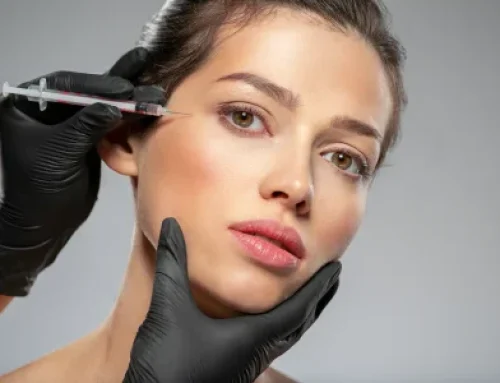
Platelet-Rich Plasma (PRP) therapy is one of the most well-researched and clinically supported non-surgical options for hair restoration available today. The treatment begins with a simple blood draw. That blood is then processed in a centrifuge to concentrate the platelets — the components of blood rich in growth factors that play a key role in cellular repair and regeneration. The resulting PRP is then injected directly into the scalp at the level of the hair follicles.
Those concentrated growth factors stimulate follicle activity, increase blood flow to the scalp, and essentially wake up follicles that have been in a dormant or miniaturized state. Over a series of treatments, patients typically notice a reduction in shedding, followed by the emergence of new, finer hairs, and ultimately the growth of thicker, more robust strands. Most patients see meaningful results after three to four initial sessions spaced four to six weeks apart, followed by maintenance treatments every four to six months.
PRP is a particularly attractive option because it uses the patient’s own biological material — there are no synthetic chemicals introduced, no foreign substances, and virtually no risk of allergic reaction. It’s safe, relatively comfortable, and backed by a growing body of clinical evidence supporting its effectiveness for androgenetic alopecia and other forms of hair thinning.
Exosome Therapy for Hair Restoration
Exosome therapy is one of the newer and most exciting frontiers in regenerative medicine — and it’s available for hair restoration at 901 Aesthetics in Germantown, Tennessee. Exosomes are tiny extracellular vesicles — essentially microscopic messengers — that carry genetic information, growth factors, and signaling proteins between cells. When applied to the scalp, exosomes communicate directly with hair follicle stem cells and trigger a powerful regenerative response.
For patients who haven’t seen the results they were hoping for with PRP alone, or who want to accelerate and amplify their hair restoration outcomes, exosome therapy can be a game-changer. It can be used as a standalone treatment or combined with PRP for a synergistic effect. The treatment itself is comfortable and quick, with no downtime, and many patients begin to notice improvements in hair texture and density within two to three months.
Who Makes a Good Candidate for Hair Restoration at 901 Aesthetics?
Non-surgical hair restoration works best when there are still living follicles in the treatment area — which is why earlier intervention tends to produce better results. If you’ve been noticing gradual thinning, increased shedding, or a change in hair texture and density, that’s the ideal window to seek treatment. Waiting until hair loss is severe or the scalp is visibly bare in certain areas limits what non-surgical options can achieve.
Good candidates include men and women in the early to moderate stages of androgenetic alopecia, patients experiencing hormonal or stress-related hair loss, anyone who wants to improve the overall health, thickness, and quality of their hair, and patients who have had hair transplant surgery and want to maximize their results and protect existing follicles.
The 901 Aesthetics Difference: Personalized Care for a Personal Problem
Hair loss is not something most people want to discuss with just anyone, and at 901 Aesthetics in Germantown, Tennessee, that’s understood. Lauren and her team approach every hair restoration consultation with the same level of care, privacy, and genuine investment in the patient’s goals that defines everything they do at the practice. There’s no judgment, no pressure, and no cookie-cutter protocol — just an honest assessment of what’s happening and a personalized plan for addressing it.
If you’re ready to do something about your hair loss or thinning, the conversation starts here. Call (901) 221-1256, visit 9057 Valley Crest Lane, Unit 101, Germantown, TN 38138, or book your consultation at 901aesthetics.com. Your hair — and your confidence — are worth it.
Share This Story, Choose Your Platform!
Related Posts