Six months of the same dark spot. You have tried the vitamin C serum, the niacinamide, the brightening mask that cost more than it should have. Nothing has cleared it. The spot fades slightly, then settles back. Your skin is not broken. Your routine is not wrong. Certain skin concerns live at a depth that products simply cannot reach. Laser treatment is what gets there.
What Laser Treatment Actually Does That Skincare Cannot
Skincare products work on the surface. Hyperpigmentation, acne scars, and collagen loss form in the deeper layers of skin. Products cannot physically reach those layers, no matter how well formulated they are. Laser skin rejuvenation delivers controlled energy beneath the surface to address the source of a concern rather than managing how it looks from the outside. At 901 Aesthetics, Lauren McCann, CRNA uses the elōs Plus laser by Syneron Candela for this work. It combines radiofrequency energy with light to stimulate the skin from within through a treatment modality called sublative rejuvenation. Because it uses less optical energy than traditional lasers, it is safe across all skin types and tones.
The concerns it handles most effectively are dark spots and sun damage, persistent redness and broken capillaries, acne scars, rough texture and enlarged pores, and early fine lines. The sections below cover each one. Not sure which one describes your skin? The Advanced Skin Analysis at 901 Aesthetics uses a facial scanner to see beneath the surface before any treatment is recommended. Book yours here.

Sign 1: Your Dark Spots and Sun Damage Are Not Responding
One of the clearest signs your skin could benefit from laser treatment is a dark spot that products have lightened but never actually cleared. Memphis and Germantown sit in the mid-South. The sun here is not seasonal. It is present for most of the year, and the UV exposure accumulates faster than it does in cooler northern markets. Patients at 901 Aesthetics who have lived here for years often carry that history in their skin. Sunspots, age spots, and patches of uneven tone that built up quietly over time.
Products can slow the process and soften what is already there. They work at the surface. Hyperpigmentation and sun damage form in the layers underneath, which is why a brightening serum can take the edge off but rarely finishes the job.
The treatment matched to this concern is the IPL photofacial. IPL stands for Intense Pulsed Light. It targets pigment directly, breaking down the discoloration so the body can clear it naturally. Results from a course of sessions are meaningfully different from what topical skincare produces. Patients often see an actual clearing of spots that have been sitting there for years.
Melasma responds differently from standard sun damage. Sun-driven spots clear well with IPL. Melasma is hormonally influenced, which means it tends to return after treatment, particularly with sun exposure. It can be managed effectively, but the expectation going in should be management rather than permanent removal.
Sign 2: Redness and Broken Capillaries That Will Not Clear
Persistent redness is one of the signs your skin needs laser treatment that people dismiss the longest. It gets written off as sensitivity, as flushing, as just how your skin is. A tinted moisturizer covers it. A green-tinted primer neutralizes it. But underneath, the same broken capillaries and vascular irregularities are still there every morning.
Rosacea, visible redness across the cheeks and nose, and small broken capillaries near the surface are vascular concerns. They live in the blood vessels beneath the skin, which is exactly where topical products have no effect. Calming creams reduce irritation around the area. They do not touch what is causing the redness itself.
The concern people raise most often before booking this treatment is that laser will make reactive skin worse. The treatment used at 901 for redness and vascular concerns delivers energy at levels calibrated for sensitive skin. It is not the same approach used for texture or pigment correction. The technology distinguishes between these concerns and adjusts accordingly.
Laser treatment for rosacea produces real, visible reduction. Skin that has looked red for years clears noticeably over a series of sessions. That said, rosacea is a chronic condition. The redness can return, particularly with triggers like heat, alcohol, or sun exposure. The realistic outcome is significant improvement and easier management, not a permanent cure.
Sign 3: Acne Scars That Stayed After the Breakouts Cleared
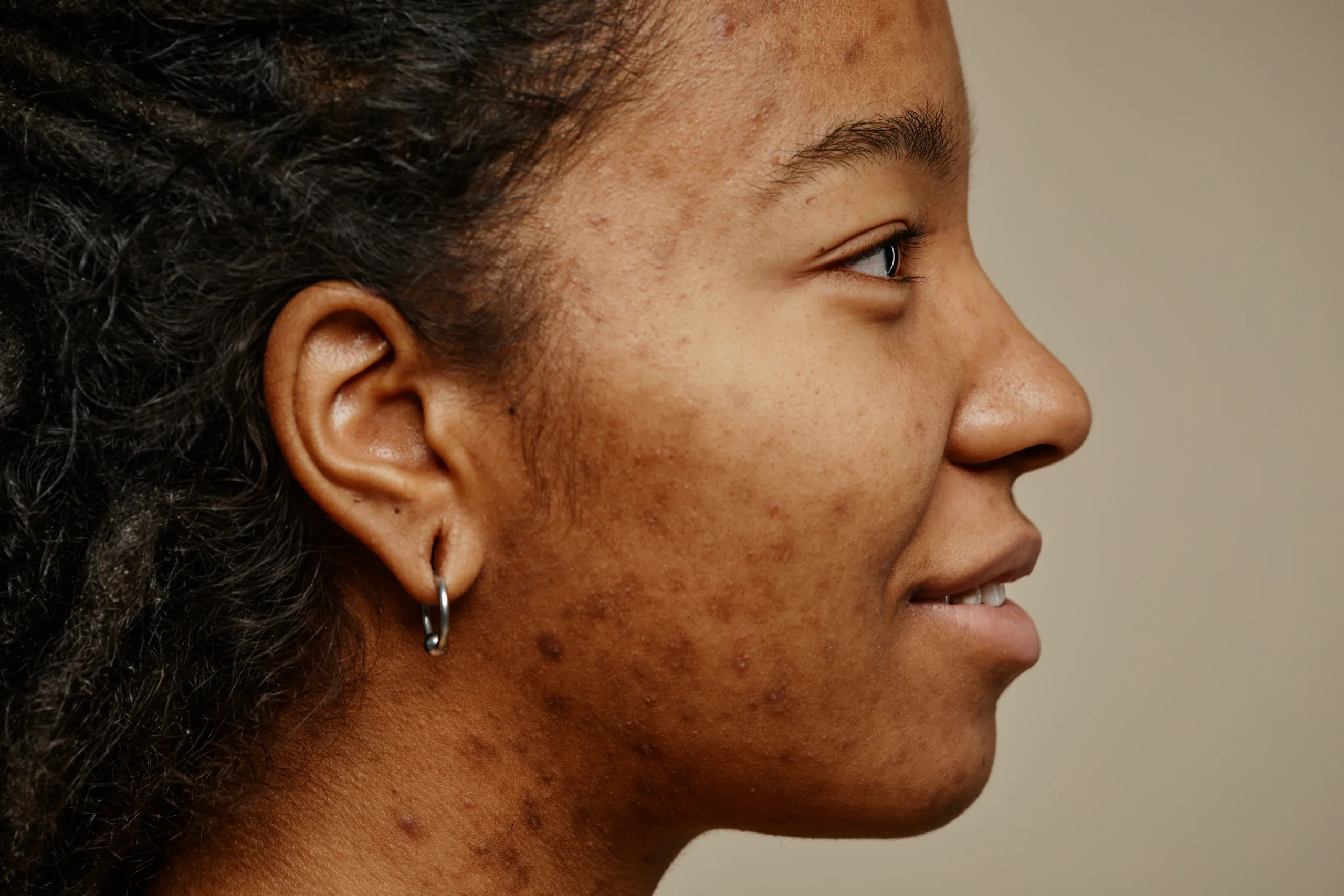
The acne cleared. The scars did not. That gap is one of the most frustrating signs your skin could benefit from laser treatment because the active problem is gone but the evidence of it is still sitting on your face every morning.
Acne scars are not a surface issue. The breakout created an injury in the deeper layers of skin, and what you see now is how that tissue healed. Some scars are shallow and spread out. Others are narrow and deep. Both improve with sublative rejuvenation, but the depth of the scar affects how quickly and how much. Shallow rolling scars tend to smooth out faster. Ice pick scars, the narrow deep ones, take longer and require more sessions. Knowing which type you have changes what realistic progress looks like.
This is not a one-treatment result. A series moves the needle. Patients who come in expecting dramatic change after a single session are usually disappointed. Patients who commit to a course of treatment and compare photos at the end of it are usually the ones who stop mentioning their scars.
Sign 4: Skin Texture That Looks Rough Even When Hydrated
You drink the water. You use the moisturizer. Your skin still looks dull, the pores still look large, and the texture still looks rough in certain lighting. That is a sign your skin needs laser treatment, not a better hydrating serum.
Rough texture and enlarged pores are structural. The outer layer of skin accumulates dead cells faster than it sheds them, and the pore walls lose the firmness that keeps them tight. Hydration addresses neither of those things. It makes the surface feel smoother temporarily, which is why it seems to be working until you look at your skin in natural light and realize it has not changed.
What actually shifts texture is cell turnover and structural support in the skin beneath the surface. That is what the treatment at 901 works on. Patients who have chased texture with exfoliating acids, clay masks, and pore strips for years often notice more change after a few sessions than after all of it combined.
Uneven skin tone, dullness, and a flat complexion that no highlighter quite fixes often fall into this same category. The skin looks tired because the surface layer has built up and the structure underneath has softened. Nothing you apply on top touches either of those.
Sign 5: Fine Lines That Are Appearing Earlier Than Expected
You are in your mid-thirties. The lines around your eyes are not deep yet, but they are staying now when your face is relaxed. That did not used to happen. This is one of the signs your skin could benefit from laser treatment before the change becomes significantly harder to address.
Collagen production slows gradually through your thirties. The skin loses some of the firmness that kept it smooth, and lines that used to disappear when you stopped squinting start settling in. The earlier you respond to that, the less catching up the treatment has to do.
Laser does not work the way Botox does. Botox relaxes the muscle that creates the line. Laser stimulates the skin itself to produce more collagen, which gradually improves both texture and firmness over weeks and months. Patients who use both tend to get better results from each. The Botox addresses the movement. The laser addresses the skin quality underneath.
For fine lines, mild skin laxity, and skin resurfacing, 901 uses the Nouvaderm 1927 Thulium laser. It works at a depth suited to early aging changes. That window is exactly when it performs best.
If you are already doing laser skin rejuvenation in Memphis for another concern and also starting to notice early lines, the two are often addressed in the same treatment plan rather than as separate decisions.
Which Laser Matches Your Skin Concern at 901?
Not every concern needs the same tool. Dark spots need a different approach from acne scars. Redness needs something different again.
| Skin Concern | Laser at 901 | Typical Sessions |
| Dark spots, sun damage, hyperpigmentation, redness, broken capillaries | IPL photofacial | 3 to 5 sessions |
| Acne scars, rough texture, enlarged pores, early fine lines | elōs Plus (sublative rejuvenation) | 3 to 5 sessions spaced 4 to 6 weeks apart |
| Mild skin laxity, deeper lines, skin resurfacing | Nouvaderm 1927 Thulium laser | 1 to 3 sessions depending on severity |
Some patients come in with a single clear concern. Others have two or three overlapping ones, and the question of which to address first is not always obvious from a mirror.
The Advanced Skin Analysis at 901 shows exactly that. It uses a facial scanner to show what is happening in the deeper layers of skin. It addresses concerns that are developing beneath the surface before they become fully visible. Most patients who do it find at least one thing they were not expecting.
Lauren McCann, CRNA reviews the results with you before any treatment is recommended. It is the information that makes the treatment decision make sense. Schedule a consultation at 901 Aesthetics in Germantown. No commitment required before you decide.
What to Expect: One Session vs a Full Series
Most patients see something after the first session. Skin looks clearer, feels smoother, and the concern that brought them in has visibly shifted. That improvement continues over the following weeks as the skin responds and rebuilds.
One session is not the full result. A series of three sessions, spaced four to six weeks apart, is where the real change happens. The gap between sessions matters as much as the sessions themselves. The skin needs time to complete what each treatment starts.
How fast you see results depends on what you are treating. Sun damage and UV-driven dark spots respond relatively quickly. Melasma takes longer and requires more consistent maintenance afterward because of the hormonal component. Texture and pore size improve steadily across a series rather than dramatically after one session. Patients usually notice it most when they look back at photos from before they started.
Downtime after the elōs Plus treatment is one to two days of mild redness, similar to a light sunburn. Most people go back to normal activities the next day. The skin will feel slightly dry and may flake gently in the days following. The treatment is clearing the old surface layer as newer skin comes through underneath. SPF is non-negotiable during a treatment course.
Conclusion
Six months ago you were standing at that mirror with the same serum you have been using since January. Same spot. Same frustration. Same question about whether anything was actually going to change. 901 Aesthetics has been voted #1 Memphis MedSpa and Laser Center. The team is in Germantown, TN and sees patients from across the Memphis area. Cherry financing is available for those who need it. The next step is a conversation, not a commitment. Book a laser consultation at 901 Aesthetics and find out exactly what your skin needs.
Share This Story, Choose Your Platform!
Related Posts