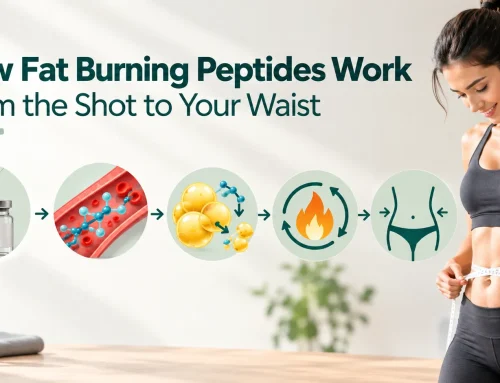

Stubborn body fat is an unfortunate reality for many people who exercise and eat well but still can’t seem to lose that last 10 pounds around the midsection. Genetics, hormones, appetite, and the body’s fat storage patterns all play a role in this condition. Peptide therapy has been promoted as a potential tool for improving body composition, but not all peptides are equal. Some have been studied extensively, while others are little more than ideas. Learning more about fat loss treatments and their impact on body composition can help people make informed decisions about medically supervised fat loss.
What Is Peptide Therapy for Fat Loss?
Peptide therapy involves using compounds made from amino acids to influence certain metabolic processes in the body. Peptides play an active role in regulating appetite and blood sugar, but not all peptides have been proven to help people lose fat. For fat loss, some peptide medications can help reduce hunger and increase fullness, though results are gradual rather than dramatic, though it is not always a quick or dramatic procedure. Other types of peptides are currently being tested for their ability to affect growth hormone levels and fat metabolism, but the results are still unproven.
Weight loss and body composition change are related but different goals. Weight loss reduces total body mass, while body composition describes the ratio of fat, muscle, and water. Losing weight means reducing the total amount of mass, while body composition refers to the ratio of fat, muscle, and water in the body. It is entirely possible to lose fat and even reduce the waistline without losing any muscle mass.
How Can Peptide-Based Treatments Support Fat Loss?
Peptide-based treatments affect the body in different ways, depending on the medication. The best fat loss treatments currently on the market do not directly affect existing fat cells, instead targeting hunger control and other processes that contribute to weight gain. GLP-1 medications act as an appetite suppressant, telling the brain when the body is full during meals and discouraging overeating. This leads the body into a steady state of calorie deficit, which in turn causes fat loss over time.
Other appetite suppressants, such as many growth hormone-releasing peptides, affect the hunger hormone ghrelin and the hormone system that controls energy metabolism in the body. Peptides that directly affect fat breakdown, or lipolysis, are also currently under study. In all cases, the body must undergo a real metabolic change in order to begin losing fat, regardless of what medication is used.
Which Peptides Have Evidence for Fat Loss?
There are many peptides that have been used as a means of reducing resistant fat, but the amount of scientific proof and medical use they have are quite varied. Some have gone through extensive testing with humans, and some have not gotten past basic science or proposed biological functions. Understanding these differences can help patients avoid unrealistic expectations and choose treatments based on established benefits rather than marketing claims.
Semaglutide and Tirzepatide
Semaglutide is a GLP-1 receptor agonist, while tirzepatide activates both GIP and GLP-1 receptors. Both reduce appetite and increase fullness after meals. These two medications both reduce appetite and promote feelings of fullness after meals.
Wegovy and Zepbound are two brand name medications containing semaglutide and tirzepatide, respectively, which have been approved for chronic weight management by the FDA. However, it is also important to remember that everyone loses weight differently, and these medications were only approved for patients with a certain medical profile. Both medications work by reducing the body’s overall mass, not by specifically targeting belly fat or other areas of the body.
These two medications affect the overall state of the body, causing the fat cells in the abdominal area to shrink along with the rest of the fat cells in the body. While some patients do notice a noticeable decrease in abdominal girth while using these medications, that decrease can be inconsistent from person to person.
Tesamorelin and Visceral Abdominal Fat
Tesamorelin is a synthetic growth hormone-releasing factor analog that prompts the pituitary gland to release growth hormone, which raises IGF-1 levels. Unlike weight-management drugs, it is FDA-approved only to reduce excess abdominal fat in adults with HIV and lipodystrophy.
The research shows that it leads to decrease in visceral fat in certain cases of HIV-infected patients, but its label states it is not indicated for weight loss management because it has a weight-neutral effect.
CJC-1295, Ipamorelin, and Other Experimental Peptides
CJC-1295 and ipamorelin are both appetite suppressants which cause the body to release more growth hormone. These peptides are intended to increase growth hormone release, but human evidence for fat loss is limited. Other peptides, such as AOD-9604 and MOTS-c have been marketed for fat loss, but their effectiveness has not been established in clinical trials.
In reality, most of these medications only impact body composition when combined with proper diet and exercise. There has not been enough research conducted to confirm if AOD-9604, MOTS-c or CJC-1295 have a significant effect when used alone. Additionally, CJC-1295, ipamorelin, AOD-9604 and MOTS-c have not been approved by the FDA as fat loss treatments.
The following comparison highlights the important differences.
| Peptide or Medication | Clinical Evidence for Fat Loss | FDA-Approved Weight-Loss Use |
|---|---|---|
| Semaglutide | Strong evidence for weight management in eligible patients | Yes, for certain products and indications |
| Tirzepatide | Strong evidence for weight management in eligible patients | Yes, for certain products and indications |
| Tesamorelin | Evidence for reducing visceral fat in adults with HIV-associated lipodystrophy | No; approved for a specific abdominal fat indication |
| CJC-1295 and Ipamorelin | Insufficient evidence for meaningful general fat loss | No |
| AOD-9604 and MOTS-c | Experimental research; clinical effectiveness not established | No |
The distinction matters because a peptide’s ability to influence a hormone or metabolic pathway does not establish that it can safely improve body composition.
Can Peptide Therapy Reduce Stubborn Belly Fat?
Certain peptide-based medications can help reduce abdominal fat as part of overall weight loss, but there is an important difference between reducing total body fat and targeting fat in a specific location.
The abdomen contains two main types of fat:
- Subcutaneous fat: Fat stored directly beneath the skin, including the soft tissue around the waist that can often be pinched.
- Visceral fat: Fat stored deeper within the abdominal cavity, surrounding internal organs. Excess visceral fat is associated with increased risks of insulin resistance and cardiovascular disease.
There are various genetic, hormonal and metabolic factors that affect fat storage in different areas of the body. This helps explain why a person notices differences in their face, arms or legs even before they lose fat from their midsection.
Weight-loss drugs semaglutide and tirzepatide have been seen to help reduce belly fat by lowering body weight overall; however, they do not offer the possibility of selecting fat loss sites. Tesamorelin is approved only to reduce excess abdominal fat in adults with HIV-associated lipodystrophy. It is not a weight-loss drug and is not intended for cosmetic use.
If your only goal is to reduce a small pocket of belly fat, weight-loss medication is usually not appropriate. It is all dependent on the overall health of the patient and the type of fat that needs to be removed.

Can You Lose Fat Without Losing Muscle During Treatment?
The goal of fat loss is to reduce body fat, but it is also important to minimize the loss of lean body mass during the fat loss period. Reducing overall body mass without considering the impact on lean mass will not reduce the waistline in a healthy way.
Research on weight management drugs reveals that significant weight loss often results from fat loss, but there is also some loss of lean body mass. This is the reason why a reduction in weight on the weighing scale is not the whole story.
Several habits may help support muscle preservation during weight loss:
- Adequate protein intake: Provides essential amino acids needed for muscle maintenance and recovery.
- Resistance training: Helps stimulate muscle tissue and maintain strength during weight reduction.
- Regular physical activity: Supports overall fitness, weight management, and metabolic health.
- Appropriate nutrition: Helps prevent unnecessary nutrient deficiencies during reduced calorie intake.
Progress tracking can also serve to give you a more accurate picture of body composition changes. Waist size, body weight, physical strength, and proper body composition tests will help assess your performance. The methods like DXA scanning or bioelectrical impedance testing may give you some extra information, but each of them has its limitations.
The idea is to lose unnecessary fat mass, preserving physical strength and health in the process. If you are considering peptide therapy for weight management or body composition goals, 901 Aesthetics offers consultations to discuss your concerns, health history, and available treatment options. A personalized evaluation can help determine whether peptide therapy aligns with your goals.
What Are the Risks and Limitations of Peptide Therapy?
Peptide therapy is not without risks and restrictions. Every type of medication has different implications for the body, and the choice of one medication over another should be based on the risks and benefits for each individual patient.
Safety depends on the specific treatment, dosage, medical history, and quality of the medication. Patients should understand these factors before considering any peptide-based approach for fat reduction.
Side Effects and Medical Contraindications
Peptide-based medications can cause side effects depending on the treatment, dosage, and individual health conditions.
Common side effects include:
- Nausea and vomiting
- Diarrhea or constipation
- Stomach discomfort and bloating
- Injection-site redness or irritation
More serious risks may include:
- Pancreatitis or gallbladder problems
- Dehydration-related kidney injury
- Thyroid-related warnings for certain medications
- Fluid retention or elevated IGF-1 levels with tesamorelin
Semaglutide and tirzepatide are not suitable for people with certain thyroid cancer histories and should not be used during pregnancy. Medical evaluation is essential to determine treatment safety and suitability.
FDA Approval and Experimental Peptide Risks
Approval by the FDA indicates that the particular drug product has been tested for safety and efficacy. However, approval does not indicate that all the peptides in the group have been subjected to testing.
It is important to consider compounded medications. Compounded medications do not have an FDA approval since their safety, efficacy, and quality are not tested in premarket approval. The FDA has noted problems of incorrect dosing of compounded semaglutide and tirzepatide, and safety concerns of many experimental peptides.
For compounds such as CJC-1295 and ipamorelin, limited human safety data and concerns about peptide-related impurities make broad claims about safe fat reduction inappropriate.
Patients should avoid purchasing injectable peptides marketed for research purposes or from suppliers that do not require legitimate medical evaluation and prescriptions. Choosing an established treatment with documented clinical evidence is generally a more reliable approach when medication is medically indicated.
Who May Be a Candidate for Peptide-Based Weight Management?
Peptide-based treatments for weight management can be appropriate for some patients, depending on the medication and the patient’s health profile. Generally, these treatments are available for patients who are obese or overweight with related health conditions.
For example, certain approved prescription weight-management medications are indicated for adults with a body mass index (BMI) of 30 or higher, or 27 or higher with at least one qualifying weight-related medical condition. Specific eligibility requirements depend on the product and indication.
During a medical consultation, a healthcare professional may review:
- Current weight, BMI, and weight-related health concerns.
- Previous weight-management efforts and medical history.
- Existing medications and possible contraindications.
- Body composition goals and realistic treatment expectations.
- Whether ongoing monitoring or additional medical testing is appropriate.
A person who is not overweight and simply desires to lose some fat from their belly might not meet the criteria for being prescribed weight loss medicine. Similarly, the drug treatment of a certain medical problem does not mean that it is suitable for body shaping.
At 901 Aesthetics, we provide medically supervised wellness and aesthetic treatments focused on helping patients improve their health goals, body composition, and overall confidence. A consultation allows our team to review your goals, medical history, and available treatment options to determine whether peptide therapy may be appropriate.
Patients exploring peptide therapy should understand the clinical evidence, regulatory status, and safety considerations of the specific treatment being discussed before proceeding.
Final Thoughts
Peptide therapy may help improve body composition when an appropriate, evidence-supported medication is used for the right patient. Semaglutide and tirzepatide have been shown to be effective in weight management, and tesamorelin is indicated specifically in cases where HIV causes excess belly fat. There are still many peptides advertised to aid in getting rid of resistant fat that need more research.
Understanding the difference between proven treatments and unverified claims is essential before making a decision. At 901 Aesthetics in Germantown, TN, we offer wellness consultations for patients exploring medical weight management and body composition concerns.
Frequently Asked Questions
Share This Story, Choose Your Platform!
Related Posts