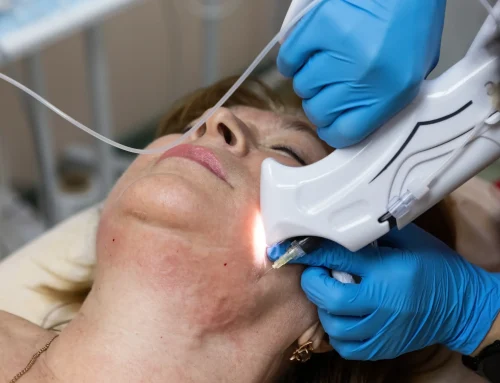
Muscle soreness after a hard workout is normal. An injured tendon, strained muscle, or damaged ligament is different. That difference matters when people consider peptide therapy for muscle recovery. Peptides have gained attention for recovery, body composition, and performance, but the evidence varies greatly by compound. Some peptide drugs have approved medical uses. Others remain experimental, with most recovery claims coming from laboratory or animal research rather than strong human trials.
This guide explains how peptides work, why BPC-157, TB-500, ipamorelin, and tesamorelin get attention, and what current research actually supports. It also covers safety, FDA status, injury recovery, and questions to ask before considering treatment.
Can Peptide Therapy Really Help Muscle Recovery?
Peptide therapy may affect pathways involved in growth hormone signaling, metabolism, inflammation, or tissue repair. However, there is not enough evidence to say that every peptide improves muscle recovery or speeds injury healing. A 2025 systematic review of BPC-157, for example, found 35 preclinical studies but only one human clinical study. The researchers concluded that human safety and effectiveness data remain limited.
The most important question is not whether “peptides work.” It is whether a specific peptide has good human evidence for the exact problem being treated.
What Is Peptide Therapy?
Peptides are short chains of amino acids that can act as signaling molecules in the body. Different peptides may influence different processes, including hormone release, metabolism, appetite, immune activity, tissue signaling, or other functions. This is why BPC-157, tesamorelin, and ipamorelin should not be treated as versions of the same therapy.
Some peptide medications are FDA approved for specific conditions. Compounded peptides follow a different regulatory path. FDA does not approve compounded drugs before they reach patients, so it does not verify their safety, effectiveness, or manufacturing quality in the same way it reviews approved medications.
Why Are Peptides Popular for Exercise Recovery?
People usually become interested in recovery peptides for several reasons. They may want less downtime between workouts, better lean muscle support, improved body composition, or help after an injury. These goals should be separated because recovering from exercise fatigue is not the same as healing damaged tissue.
A person with normal post-workout soreness may mainly need proper sleep, protein, calories, hydration, and sensible training. Someone with ongoing pain or weakness may need a medical or physical therapy evaluation before discussing any additional treatment.
Which Peptides Are Commonly Discussed for Recovery?
| Peptide | Why People Search for It | Evidence for Injury Recovery | Important Point |
|---|---|---|---|
| BPC-157 | Tendon, ligament, and muscle recovery | Mostly animal research | Not FDA approved |
| TB-500 | Tissue repair and recovery | Limited human evidence | Still experimental |
| Ipamorelin | Growth hormone signaling and recovery | Limited evidence for injury healing | FDA has raised compounding safety concerns |
| Tesamorelin | Body composition and GH signaling | Not established for injury treatment | Approved tesamorelin has a different specific medical indication |
Popular online discussions often put these compounds in the same category. Their mechanisms, evidence, safety information, and regulatory status are different.
What Does Research Say About BPC-157?
BPC-157 has received significant attention for tendon, ligament, muscle, and bone recovery. Animal studies suggest possible effects on tissue repair and several biological healing pathways. The problem is that human research has not caught up with the marketing. The 2025 systematic review found only one human clinical study among 36 included studies.
FDA also states that compounded BPC-157 may raise concerns related to immunogenicity, peptide impurities, and limited safety information. This does not prove that every use causes harm. It does mean there is not enough established human safety information to treat it like a proven recovery medication.
What About TB-500?
TB-500 is commonly discussed alongside BPC-157 for tissue repair. Much of the scientific interest comes from research related to thymosin beta-4 and biological processes such as cell movement and wound repair. Direct evidence that TB-500 safely speeds muscle, tendon, or ligament healing in humans remains limited.
This distinction matters because a promising biological mechanism is not the same as a proven clinical result. Human trials need to show whether a treatment actually improves pain, strength, function, healing time, and return to normal activity.
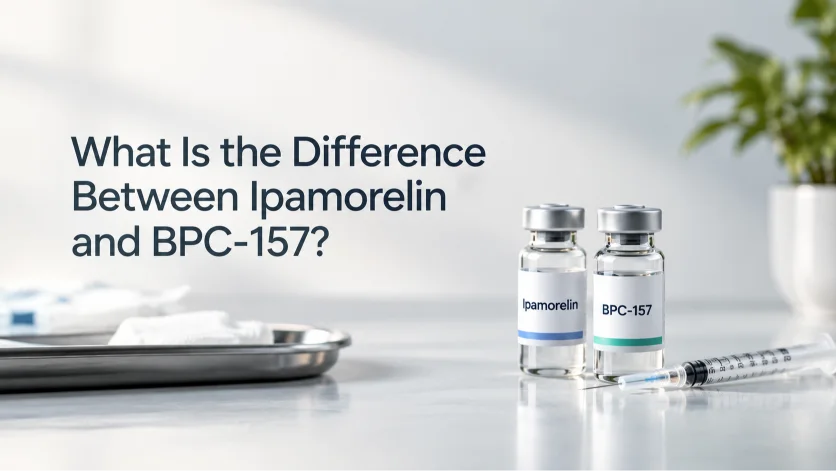
What Is the Difference Between Ipamorelin and BPC-157?
Ipamorelin is generally discussed because of its effects on growth hormone signaling. BPC-157 receives attention mainly for possible tissue repair effects. They are different compounds with different proposed mechanisms, so claims about one peptide cannot automatically be applied to the other.
FDA has identified safety concerns involving compounded ipamorelin acetate, including limited safety information for certain injectable routes and possible risks related to peptide impurities.
What About Tesamorelin and Muscle Support?
Tesamorelin affects growth hormone releasing pathways and is often discussed in connection with body composition. An FDA-approved tesamorelin drug exists for reducing excess abdominal fat in adults with HIV-associated lipodystrophy. That approval does not make tesamorelin an FDA-approved sports recovery or general weight loss treatment.
At 901 Aesthetics, the current peptide service combines Tesamorelin + Ipamorelin and is positioned around body composition, lean muscle, wellness, and recovery goals. The clinic also clearly states that its manufactured peptide products are not FDA approved.
Can Peptides Heal Muscle, Tendon, or Ligament Injuries?
Current evidence does not support promising that popular recovery peptides will reliably heal a torn muscle, injured tendon, or damaged ligament. Some experimental compounds have produced encouraging animal findings, but large human trials are still lacking.
This is especially important when an injury changes strength, movement, or normal function. Treating pain without knowing the cause can delay proper rehabilitation.
Muscle Soreness vs a Real Injury
Normal muscle soreness usually develops after demanding or unfamiliar exercise and improves with recovery. Injury symptoms may include sharp pain, swelling, weakness, reduced movement, instability, or pain that continues instead of improving.
A recovery product should never become a reason to ignore persistent symptoms. Diagnosis should come before treatment when an injury may be present.
Can Peptide Therapy Replace Physical Therapy?
No recovery compound replaces the work needed to restore strength, movement, and tolerance after many musculoskeletal injuries. Physical therapy may use progressive exercises, mobility work, resistance training, and load management based on the injured tissue.
Peptide therapy should therefore be viewed as a separate medical discussion rather than an alternative to rehabilitation.
Peptide Therapy vs Traditional Recovery Methods
| Recovery Option | Main Goal | Evidence |
|---|---|---|
| Sleep | Physical and nervous system recovery | Strong |
| Adequate protein and nutrition | Muscle repair and adaptation | Strong |
| Progressive rehabilitation | Restore movement and strength | Strong for many injuries |
| Load management | Prevent repeated overload | Important |
| Peptide therapy | Depends on compound | Highly variable |
| Medical injury treatment | Treat a diagnosed condition | Depends on diagnosis |
The basics may sound less interesting than a new peptide, but they remain the foundation of recovery.
Are Muscle Recovery Peptides FDA Approved?
There is no single regulatory answer for all peptides. BPC-157 is not FDA approved as a therapeutic drug. Ipamorelin does not have an FDA-approved indication for muscle recovery. An approved tesamorelin medication exists, but for a specific condition unrelated to general workout recovery.
Patients should ask about the exact medication, formulation, intended use, and whether it is compounded. The term “peptide therapy” alone does not tell you the regulatory status.
What Risks Should You Know About?
Possible concerns depend on the compound but may include injection reactions, swelling, changes in appetite, hormonal effects, metabolic changes, contamination, inaccurate dosing, or unknown long-term effects. Unapproved products purchased from unreliable online sources add another layer of risk.
Compounded peptide medications also do not go through the same FDA premarket review as approved drugs. That makes provider oversight and clear product information especially important.
What Should You Ask Before Starting Peptide Therapy?
Ask your provider:
- What exact peptide am I receiving?
- Why is it being recommended?
- Is the product FDA approved?
- Is this specific use FDA approved?
- Is it compounded?
- What human studies support the expected benefit?
- What side effects are possible?
- What monitoring is required?
- Could it interact with my medications?
- What proven alternatives should I consider?
Clear answers are more useful than promises of fast results.
Peptide Therapy in Germantown, TN
901 Aesthetics offers medically guided Tesamorelin + Ipamorelin peptide therapy in Germantown for adults interested in body composition and wellness goals. Its current service information includes lean muscle support and recovery among the reasons people consider treatment while also explaining that the manufactured peptides are not FDA-approved products.
If your main concern is a true injury, medical evaluation should come first. If your goals relate more to body composition, muscle maintenance, or wellness, a consultation can help determine whether peptide therapy fits your health history and expectations.
When Should You Get an Injury Checked?
Seek appropriate medical care if you experience severe pain, significant swelling, a popping sensation, sudden weakness, inability to bear weight, numbness, instability, loss of movement, or pain that continues to worsen.
Early assessment can identify problems that need rehabilitation or other treatment before they become harder to manage.
Final Takeaway
Peptide therapy for muscle recovery is getting more attention, but the research is not equally strong for every peptide. BPC-157 and TB-500 remain experimental areas with limited human musculoskeletal evidence. Ipamorelin and tesamorelin involve different pathways and should not automatically be described as injury-healing drugs.
The best decision starts with the actual goal. Muscle soreness, body composition, poor recovery, and a structural injury are different problems. If you are considering peptide therapy in Germantown, discuss the exact compound, evidence, safety, monitoring, and alternatives before starting treatment.
Frequently asked questions
Share This Story, Choose Your Platform!
Related Posts