You may notice that your waist gets larger with age even though you have not made major changes to your diet. This can feel frustrating, but there is usually more going on than simply eating too much. Aging can change muscle mass, daily calorie needs, hormone levels, activity, sleep, and where your body prefers to store fat. These changes can make abdominal fat easier to gain and harder to lose.
The good news is that age doesn’t make it impossible to reduce abdominal fat. Strength training, exercise, proper dieting, quality sleep, and medical intervention if required can help to change the body composition. In addition, the proper method will depend on whether the problem is related to weight, visceral fat, or shape of the body.
What Causes Belly Fat to Increase With Age?
Belly fat tends to increase due to a combination of factors. You might gradually lose muscle, burn fewer calories throughout the day, be less physically active, and have hormones affecting fat storage. The end result will be an expanding waistline despite the relatively small change in your overall weight. It is also necessary to keep in mind that aging impacts people in different ways. Many factors such as genetics, health conditions, medication, diet, sleep, stress, and physical activity impact abdominal fat gain.
Age-Related Muscle Loss and Lower Energy Needs
As people grow older, they naturally start losing muscle tissue, unless they engage in strength training exercises. The term used for age-related muscle loss is sarcopenia. Muscle tissues are involved in energy metabolism, which means that fewer muscles mean fewer calories that are needed by the body.
When you eat the same amount of food but exercise less and have less muscle, you gradually start to form a calorie surplus, some of which will be stored as body fat.
Hormonal Changes and Abdominal Fat Redistribution
Hormones can have an impact on the fat distribution in your body. The reduction of estrogen hormones in women during perimenopause and menopause can cause fat storage to move from the hips and thighs to the waist region. This explains why some women experience a bigger waist even when there is no change on the scale.
There is also hormonal change that occurs with aging in men, especially the levels of testosterone. Hormones do play a role, but they are not the only factors in this scenario. Diet, physical activity, sleep, genetics, and general health all come into play.
Lifestyle Changes That Promote Abdominal Fat Gain
There is usually a tendency to be less physically active with age. The job might become more sedentary, exercising might become less common, and arthritis might limit mobility. Any decrease in physical activity will have an effect on one’s energy balance in the long term.
Food habits can change too. Larger portions, frequent snacks, alcohol, sugary drinks, and heavily processed foods can increase calorie intake. Poor sleep and long-term stress may also make hunger harder to manage and reduce the energy you have for exercise.

How Aging Changes Where Your Body Stores Fat
Aging does not only influence the amount of fat present in your body. It can also change where that fat is stored. A person may lose some muscle in the arms and legs while storing a greater share of body fat around the waist.
This is particularly true for middle-aged people. Hormonal changes, less physical activity, loss of muscle mass, and changes in body composition can shift fat distribution to the waist region.
Visceral vs. Subcutaneous Belly Fat: Why the Difference Matters
Belly fat is not all the same. There is subcutaneous fat which is the fat located right under your skin. Visceral fat is deeper inside your body and surrounds the abdominal organs. It is important to know the difference between the two since there is more health risk associated with visceral fat.
| Type of Fat | Where It Is Found | Main Concern |
|---|---|---|
| Subcutaneous fat | Under the skin | Mainly affects body shape and appearance |
| Visceral fat | Deeper around abdominal organs | Linked with higher metabolic and cardiovascular risk |
Higher levels of visceral fat are associated with insulin resistance, type 2 diabetes, high blood pressure, abnormal cholesterol levels, heart disease, and fatty liver disease. This means belly-fat management is not always just about appearance. For some people, it is also an important part of protecting long-term health.
Why Visceral Fat Can Be Harder to Notice
The visceral fat is inside the abdominal cavity, and therefore it is not always possible to see it in the mirror or even pinch the fat layer beneath the skin on your belly. A person can store considerable amounts of visceral fat without storing too much subcutaneous fat. That is why weight alone does not say it all. Two people can weigh the same and yet differ in terms of fat stored in the abdomen.
Waist Size Can Matter More Than Scale Weight
Waist size provides you with a quick overview of where fat is building up in your body. While waist size doesn’t measure visceral fat in the same way, it still offers you some insights that may be missed by only looking at your weight. Consistently monitor your waist and follow the trends as opposed to focusing on just one measurement.
How Insulin Sensitivity Changes With Age
Insulin helps move glucose from the bloodstream into cells so the body can use it for energy. With age, some people may become less sensitive to insulin, especially when physical activity drops, muscle mass decreases, or visceral fat increases. This does not mean that aging automatically leads to diabetes, but higher levels of visceral fat are linked with poorer insulin sensitivity and changes in blood sugar control.
Visceral fat is more biologically active than the fat stored just under the skin. Higher amounts can affect inflammation, fat metabolism, and insulin function. This is why a growing waistline may be more than an appearance concern and can be a reason to pay attention to blood sugar, activity levels, body composition, and overall metabolic health.
How to Reduce Belly Fat as You Age
There is no way that you can make your body lose fat on one particular spot. Although abdominal workouts can help you build up muscles under the belly fat layer, it will not make your body lose fat just from the stomach. Your aim should be losing the excessive fat in your body without losing lean muscle mass.
Preserve Muscle and Increase Physical Activity
As you grow older, strength training gains importance since it assists in muscle protection. Strength training may be done using resistance bands, machines, free weights, or body weight exercises depending on your fitness levels. Combine strength training with activities like walking, cycling, or swimming, or any form of aerobic exercise. It is not necessary to have a rigorous exercise program.
Useful habits include:
- Train major muscle groups regularly.
- Walk more throughout the day.
- Break up long periods of sitting.
- Add moderate aerobic exercise.
- Increase exercise gradually if you have been inactive.
Improve Nutrition Without Sacrificing Muscle
Very restrictive diets can lead to rapid weight loss, but they can also lead to muscle loss. This is a bad deal for seniors who have to contend with muscle loss due to aging. Include protein, veggies, fruits, grains, beans, and other high fiber foods in your diet. Be mindful about the amount of calorie-rich food you eat and cut down on sugar-laden beverages, highly processed snack foods, and too much alcohol. Your diet should enable you to shed fat and not leave you feeling weak and hungry.
Support Sleep and Stress Management
Sleep does not directly burn belly fat, but poor sleep habits can complicate weight loss efforts. Poor sleep may result in increased appetite, reduced energy levels, decreased physical activity, and cravings for calorie-dense foods. Stress can cause similar issues by interfering with sleep, diet, and lifestyle. Get into a sleeping routine, stay physically active, and resolve sleep and stress problems rather than ignoring them as separate from weight loss.
Can You Lose Belly Fat After 40, 50, or 60?
Yes. Getting older will certainly increase the visual changes in body composition; however, it won’t take away your chance of losing extra body fat. You just need to plan for muscle retention, activity, caloric requirements, and medical considerations. After 40, 50, or 60, concentrate more on better body composition than quick weight loss. Gain or retain muscle, create a practical caloric deficit where necessary, stay active, and be consistent enough to see results. Do not compare yourself to the speed at which you were able to lose weight in your 20s.

What Progress Should You Track Besides Body Weight?
The scale can be useful, but it does not separate fat from muscle. You could gain some muscle and lose fat while your body weight changes only slightly.
A better progress check may include:
- Waist circumference
- How your clothes fit
- Strength in the gym
- Walking or exercise capacity
- Energy levels
- Body composition when appropriate
- Blood pressure, glucose, or cholesterol if your healthcare provider is monitoring them
Looking at several measures can give you a more accurate picture of progress than chasing one number on the scale.
Why Crash Diets Can Backfire With Age
Very-low calorie diets lead to quick weight loss, but a portion of the quick loss is caused by muscle mass. Losing too much muscle can lead to decreased strength, functionality, and difficulties in controlling your weight in the future.
It is recommended to make a smaller calorie deficit while ensuring the necessary protein intake for weight loss. This will help you achieve body composition improvements and will not let you lose weight extremely quickly.
Losing Muscle Can Make Long-Term Weight Control Harder
Muscle contributes to mobility, strength, and energy requirements. With the use of a tough diet, there is a possibility that your body will end up losing muscle. You will end up becoming smaller but weaker and with reduced energy requirements.
Can Menopause Belly Fat Be Prevented?
You cannot stop the normal hormonal changes of menopause, but there are things that you can do to decrease your risk of developing excess abdominal fat. These include exercise, maintaining lean muscle mass, monitoring gradual dietary shifts and adequate rest.
Do not wait until your waist changes significantly before acting. Resistance exercise and proper dieting are much easier if they were already established before and through the process of menopause.
Hormone replacement therapy is an appropriate option for relieving the symptoms of menopause in some women, but it does not work for weight loss, let alone belly fat reduction.
What Recent Research Says About Aging and Fat Cells
Researchers have also been examining the effects of aging on adipose tissue, which stores body fat. Studies show that aging may have an impact on the functionality of the cells which can transform into fat cells. This can help us understand how abdominal fat gets easier to gain in particular life stages.
This research is still developing. The findings regarding adipocyte progenitor cells and fat cell development in relation to age should be seen as promising, but not yet as proven explanations or treatments of belly fat for everybody.
When Professional Treatment May Help
Healthy habits are the first line of defense against belly fat, but some individuals might require additional help. If extra pounds are taking a toll on your health, if you have been trying but failing because of consistent lifestyle changes, or if you think about medication, an assessment by a professional can be useful for figuring out what is the best next step.
Professional help should address the real issue. A person who needs to lose weight in general needs something different than a person who is close to their optimal weight but wishes to target a certain area.
Medically Supervised Weight Loss
Weight loss programs under medical supervision will involve screening, nutritional advice, monitoring of the progress of the patient, lifestyle changes, and prescription drugs where necessary. There are some patients who are eligible for GLP-1 or any prescription weight loss drug. Such medications will aid in weight loss in general, although they do not target abdominal fat.
901 Aesthetics offers medically supervised weight-loss care for patients under the oversight of Lauren McCann, MSN, RN, CRNA in Germantown, Memphis, Collierville, Bartlett, and nearby communities. A consultation can help determine whether lifestyle support, medical weight management, or another approach fits your goals.
Body Contouring for Localized Abdominal Concerns
Body contouring treatment is not the same as weight loss treatment. In medical weight loss therapy, there’s an emphasis on reducing extra weight in your body. Body contouring puts emphasis on shapes and muscles as well as targeted body areas that might be resistant to change.
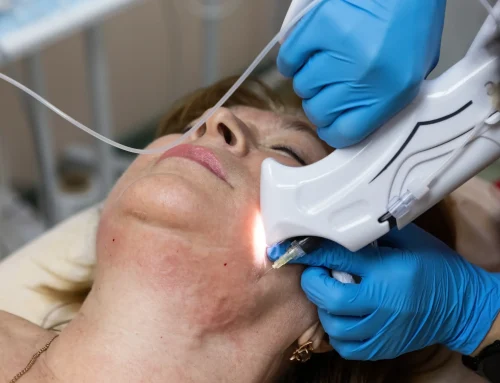
901 Aesthetics provides EMShape Neo Plus, which is a non-surgical solution to body contouring that can help in areas such as the abdomen and flanks. The device uses electromagnetic energy to trigger muscle contractions and radiofrequency heat to warm the treated area.
It is important to set the right expectation. EMShape Neo Plus is not a treatment for obesity, diabetes, cardiovascular disease, or excess visceral fat around internal organs.
Already near a stable weight but still concerned about your abdominal contour?
A consultation with 901 Aesthetics can help determine whether EMShape Neo Plus fits your body-contouring goals.
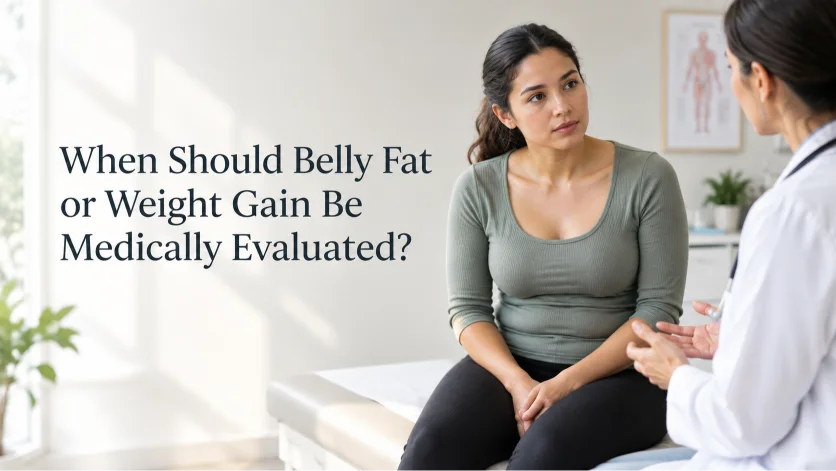
When Should Belly Fat or Weight Gain Be Medically Evaluated?
While gradual body changes can occur with age, sudden or unexplained weight gain does not necessarily mean that the problem is due to aging. Consult a doctor if your weight or waistline changes suddenly, particularly if you have accompanying symptoms. Guidance from a medical expert is also helpful when you struggle to control your weight even if you try hard.
Consider an evaluation if you have:
- Sudden or unexplained weight gain
- Rapid waist-size changes
- Weight changes after starting a medication
- Persistent difficulty losing weight
- Blood sugar or blood pressure concerns
- Major menopause symptoms
- Symptoms that could suggest another health condition
- Interest in prescription weight-management treatment
Finding the cause first can prevent you from wasting time on treatments that do not match the real problem.
Share This Story, Choose Your Platform!
Related Posts