Laser treatment can make many acne scars less noticeable, but “permanent removal” is usually the wrong promise. Scar tissue does not simply disappear. Resurfacing treatments work by remodeling collagen, improving texture, and reducing the contrast between scarred and surrounding skin.
The final result depends on the type and depth of acne scars, skin tone, technology used, provider experience, and whether another treatment is needed. The American Academy of Dermatology notes that acne scar treatment often works best when it is matched to the scar type and may involve more than one procedure.
Can Laser Completely Remove Acne Scars?
Laser and energy-based treatments can produce long-lasting improvement, but complete removal is uncommon. Deep ice-pick scars, tethered rolling scars, and mixed scar patterns may need techniques other than resurfacing alone.
A more realistic goal is smoother texture, less visible depth, and scars that blend better with the surrounding skin.
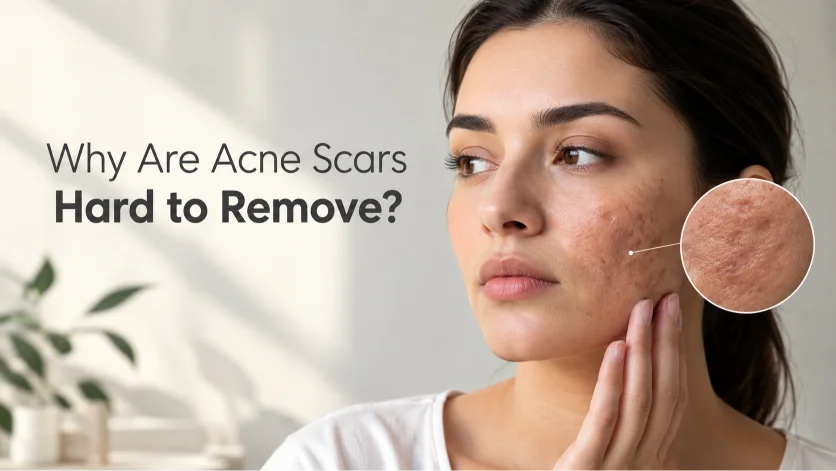
Why Are Acne Scars Hard to Remove?
Acne scars form after inflammation changes normal collagen production. Some scars develop because the skin loses collagen. Others become raised because too much collagen forms.
Once the structure of the skin has changed, topical skincare cannot completely rebuild every deep scar. This is why procedures that stimulate collagen or release scar tissue may be considered.
What Type of Acne Scar Do You Have?
| Scar Type | Appearance | Common Treatment Consideration |
|---|---|---|
| Ice-pick | Small, narrow, deep holes | Often needs targeted treatment |
| Boxcar | Wider depressions with defined edges | Resurfacing may help |
| Rolling | Broad, wavy depressions | May need subcision plus resurfacing |
| Hypertrophic | Raised scar | Requires a different approach |
| Keloid | Thick raised growth | Often needs specialized treatment |
Scar type can matter more than the name of the device.
How Does Laser Resurfacing Improve Acne Scars?
Laser resurfacing creates controlled injury in selected layers of the skin. The healing response stimulates new collagen and elastin, which can improve texture and make depressed scars less visible.
AAD explains that resurfacing can reduce scar appearance as the skin heals and produces new structural proteins.
Are Ablative and Nonablative Lasers Different?
Yes. Ablative lasers remove or vaporize parts of the skin surface and usually create more downtime. Nonablative treatments deliver energy beneath the surface with less disruption but may require more sessions.
Fractional technologies treat many small columns while leaving surrounding skin intact, which can help balance results with recovery time.
Does Fractional CO2 Laser Work for Acne Scars?
Fractional CO2 laser is widely used for atrophic acne scars and can improve texture in suitable patients. Results depend on scar depth, treatment settings, number of sessions, and skin characteristics.
Stronger treatments may also bring more redness, swelling, peeling, and risk of post-inflammatory pigment changes.
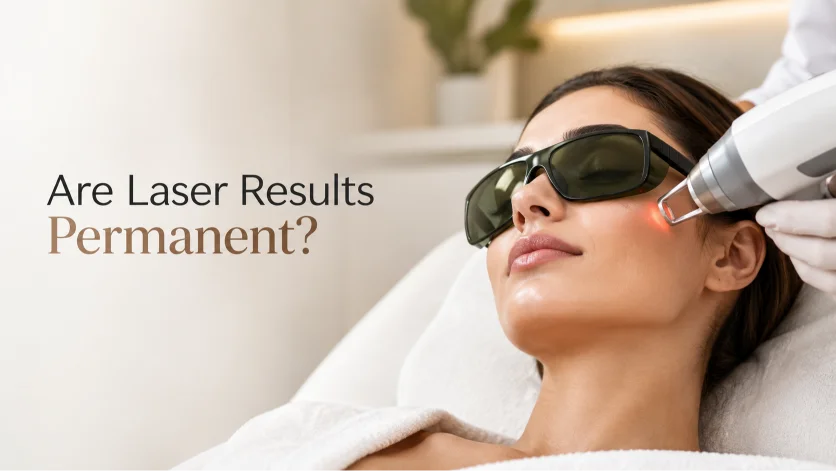
Are Laser Results Permanent?
Collagen changes created by successful resurfacing can last. However, your skin continues to age, and untreated active acne can create new scars. That means the improvement in an old scar can be long lasting without guaranteeing that your skin will remain unchanged forever.
Can Acne Scars Come Back After Treatment?
An old scar does not usually “grow back” in the same way hair does after temporary removal. However, changes in collagen, aging, sun damage, and new acne can affect how the skin looks later. Continued acne control and sun protection help protect the result.
Does One Laser Session Remove Acne Scars?
Usually not. The number of treatments depends on the device, scar severity, treatment intensity, downtime, and individual response. Be cautious with anyone promising complete scar removal after one mild session.
Why Can Scars Look Better Right After Treatment?
Temporary swelling can make depressed scars look shallower immediately after some treatments. That early appearance is not the final result. Real collagen remodeling develops gradually, which is why before-and-after photos should be taken after enough healing time.
Is Every “Laser Acne Scar Treatment” Actually a Laser?
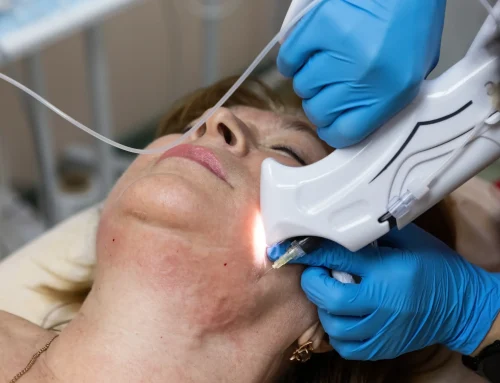
No. This is an important distinction. Radiofrequency resurfacing and RF microneedling use radiofrequency energy rather than laser light, even though clinics may discuss them within a broader skin resurfacing category. 901 Aesthetics‘ Sublative rejuvenation treatment uses controlled bipolar RF energy through the elōs Plus platform to stimulate collagen in the deeper layers of the skin.
Can Sublative RF Improve Acne Scars?
Sublative RF creates controlled zones of heat in the skin and stimulates a wound-healing response. The goal is increased collagen and improved texture. 901 Aesthetics specifically lists acne scars among the concerns its Sublative skin rejuvenation treatment may improve.
Laser vs RF Microneedling vs Microneedling
| Treatment | Energy | Common Goal | Downtime |
|---|---|---|---|
| Fractional laser | Laser light | Resurfacing and collagen remodeling | Varies |
| Sublative RF | Radiofrequency | Texture and collagen remodeling | Often moderate to low |
| RF microneedling | Needles plus RF | Deeper collagen stimulation | Varies |
| Microneedling | Needles | Collagen stimulation | Usually limited |
No single option is best for every scar.
Why Rolling Scars May Need More Than Resurfacing
Some rolling acne scars are tethered to deeper tissue. If that attachment is pulling the skin downward, resurfacing the surface may not fully correct the depression. Subcision is one technique used to release some tethered scars. Resurfacing may then be used as part of a combination plan.
Why Ice-Pick Scars Are Different
Ice-pick scars extend deeply into the skin through a narrow opening. Surface resurfacing alone may not reach the full depth. Targeted approaches may be more appropriate for some ice-pick scars before or alongside broader resurfacing.
Is Microneedling Better Than Laser for Acne Scars?
Neither treatment is universally better. Microneedling can stimulate collagen and is considered suitable across a wide range of skin tones. Laser or other energy-based treatments may offer greater resurfacing for certain scars but can involve different downtime and pigment risks. AAD also notes that microneedling may be combined with radiofrequency or other treatments when appropriate.
Is Acne Scar Treatment Safe for Darker Skin?
Skin tone matters when selecting some laser wavelengths and treatment settings because post-inflammatory hyperpigmentation can be a concern. RF and microneedling options may be considered in a wider range of skin tones, although any procedure still requires appropriate settings and experience. Treatment should be selected based on skin type and scar pattern rather than copying someone else’s procedure online.
Should Active Acne Be Treated First?
Ongoing inflammatory acne can create new scars while you are trying to improve old ones. Controlling active breakouts is therefore an important part of long-term scar management. The goal should be to improve existing scars without allowing new scars to keep forming.

What Does Acne Scar Treatment Recovery Look Like?
Recovery depends heavily on the technology and treatment intensity. Possible short-term effects include redness, swelling, dryness, flaking, tenderness, and temporary pigment changes. 901 Aesthetics reports that its Sublative rejuvenation patients commonly experience mild redness during the first days, followed by possible dryness and flaking.
How Do You Choose the Right Acne Scar Treatment?
Consider:
- Scar type
- Scar depth
- Skin tone
- Active acne
- Previous treatments
- Amount of downtime you can accept
- Risk of pigmentation
- Whether scars are tethered
- Realistic improvement goals
- Provider experience with the technology
The most expensive or aggressive treatment is not automatically the best one.
Acne Scar Treatment in Germantown, TN
901 Aesthetics offers skin resurfacing and rejuvenation options in Germantown, including Sublative treatment through the elōs Plus platform. Its service page lists acne scarring, texture concerns, fine lines, and large pores among the concerns addressed with the treatment. A consultation can help determine whether your scars are better suited to resurfacing, microneedling, RF-based treatment, or a combination approach.
Final Takeaway
Laser and energy-based treatments can make acne scars significantly less noticeable, but complete permanent removal should not be promised. Results depend on scar type, skin tone, treatment technology, and whether deeper scars need another procedure. For people considering acne scar treatment in Germantown, the best starting point is a proper scar assessment. Once you know whether you have rolling, boxcar, ice-pick, raised, or mixed scars, it becomes much easier to choose a treatment that matches the problem instead of simply choosing the most popular device.
Frequently asked questions
Frequently asked questions
Share This Story, Choose Your Platform!
Related Posts